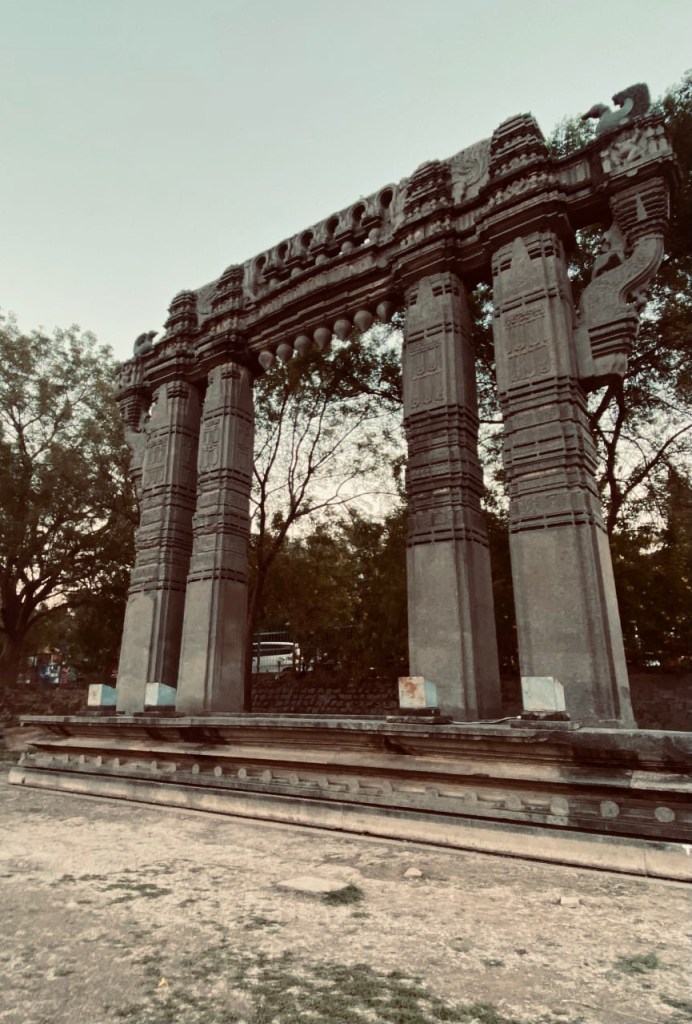
The life and times of the most prominent and capable ruler in the Kakatiya dynasty, whose reign lasted for about sixty years, is indeed an insight into understanding many nuances in Deccan history. The attempt here is to not just narrate his reign, but through that infer the dynamics of the South Indian polity, the nature of power struggle in the region and ultimately the reason for it. K.A Nilakanta Shastri, in his exemplary work, “A History of South India- From Pre-Historic Times to Fall of Vijayanagara” mentions this era; the 12th and 13th century CE as ‘The Age of Four Kingdoms’, pointing out to the power struggle in the southern part of the subcontinent between the Hoysalas, Kakatiyas, Pandyas and Yadavas.
The era was preceded by the glorious Chola epoch, not just in the major portions of South India, but extending their influence into South East Asia as well. Their contemporaries were the Kalyani Chalukyas, with the Tungabhadra river as the border and the Vengi Chalukyas who eventually came under the Cholas. The latter had an upper hand among both of them; with instances of two front wars and them emerging victorious.
The era succeeding this was indeed a turning point in history, marking the inroads of Islam or Turks; the defeat of all these four kingdoms by Alauddin Khilji and later by Muhammed Bin Tughlaq. So this ‘Age of Four Kingdoms’ was a transition period to a rise in new dawn; the Muslim invasion and the birth of the Vijayanagara empire which went on to rule for about two centuries.
Burton Stein noted a very important feature of this era; a transition from riverine kingdoms to the arid, upperland kingdoms specifically Warangal – the Kakatiya capital and Dwarasamudra- the capital of Hoysalas. A prime requisite for any state to function is resources and the prevalence of agrarian economy in ancient times necessitated the empires to have their capitals, generally on the banks of rivers; Chola capital on the banks of Kaveri, Pandyas on the banks of Vaigai. In specific to Andhra, the Chalukyas had their capital in Vengi, the region where Godavari drained into the Bay of Bengal. However, the ‘Practice of tank building’ with evidences even during the Mauryan era and a massive proliferation of this practice over the years had made the moderately fertile, arid, upland of Deccan fit for agriculture; the result of which is evident in the rising of capital cities like Warangal and Dwarasamudra.
Coming to the Kakatiyas of Warangal, they were subordinates of the Rashtrakutas and later, the Kalyani Chalukyas. They were given the fief of the relatively small territory of Anumakonda ( present day Warangal) by Trailokyamalla Someshwara during the time of Prola-1. Kakatiyas were loyal to Kalyani Chalukyas till the very end, until Kalachuri Bijjala overthrew them and established control in Kalyana ( Gulbarga district).
To undersand and evaluate the reign of Kakatiya Ganapati, it becomes important to understand the political environment when he ascended the throne in 1199AD, and a brief mention about the contributions of his uncle Rudra and grandfather Prola. The northern and northeastern Telangana was under the control of Polavasadesa chiefs ( around the present day Karimnagar district) with whom Prola and his son Rudra engaged. The southern part of present day Telengana was the Kandurunadu, ruled by the Choda chiefs, who were attacked by both Rudra and Prola. The eastern Telangana was under the control of Mudigonda Chalukyas who were attacked by Rudra. The coastal Andhra region had many local chieftains namely Haihayas of Kona ( Godavari deltaic region), Chalukyas of Pithapuram (present day East Godavari district) , Kota chiefs of Amaravati ( Dharanikota, Guntur district), Velanati Chodas (Vishakapatnam to Nellore), Haihayas of Palnadu ( present day Guntur), Kolani chiefs, Sarasipuri (in the Eluru region, West Godavari district).
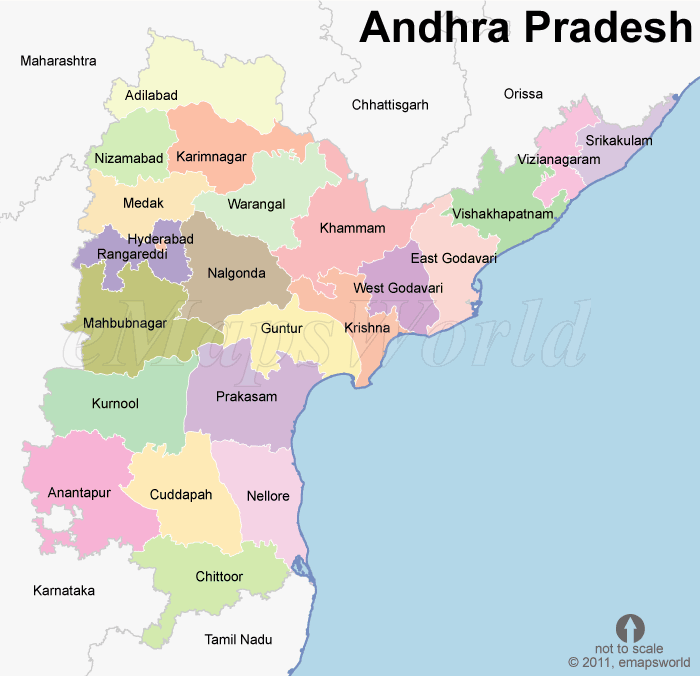
It took two generations of Kakatiya kings, to establish their authority in the region of present day Telangana with Prola and Rudra, both fighting the Kandurunadu and Povalasadesa chiefs during their respective reigns. When Prola-2 made an attempt to conquer the coastal Andhra, he was slain by the Kota and Haihaya chiefs. Rudra made some progress in coastal Andhra by defeating the Kotas ( Dharanikota, Guntur), thereby avenging his father’s death and also subdued the Kondamadupati chiefs ( western front of Velanati Chodas). However, Rudra was killed by Yadava Jaitugi when he tried to expand his northern frontiers. This was more or less the situation in Deccan; controlled by innumerous chieftains and an environment of constant power struggle.
Ganapati’s reign started on a disturbing note. His uncle Rudra was killed by the Yadavas of Devagiri; his father Mahadeva who succeded him, continued hostilities with the Yadavas and he was also killed. Ganapati was taken as a prisoner by the Yadavas. When a group of nobles led by Recharla Rudra went to the Yadavas, they released him and he ascended the throne. So he started his rule in 1199 AD, with perhaps the present day territory of Telangana, thanks to his predecessors, and of course with the memory of a terrible engagment with the Yadavas.
His first major victory, was the defeat of Velanati chief Prithvishwara. As mentioned earlier, the Velanati chiefs had control over a considerably large coastal tract of Andhra. Ganapati defeated Prithvishwara and conquered the Diviseema island (present day Krishna district) bringing in considerable booty in terms of diamonds etc., by around the first decade of 13th century, maybe before 1211 AD. That victory asserted his control over the major coastal region of Andhra and the formidable, well established enemy which ruled for generations was overthrown.
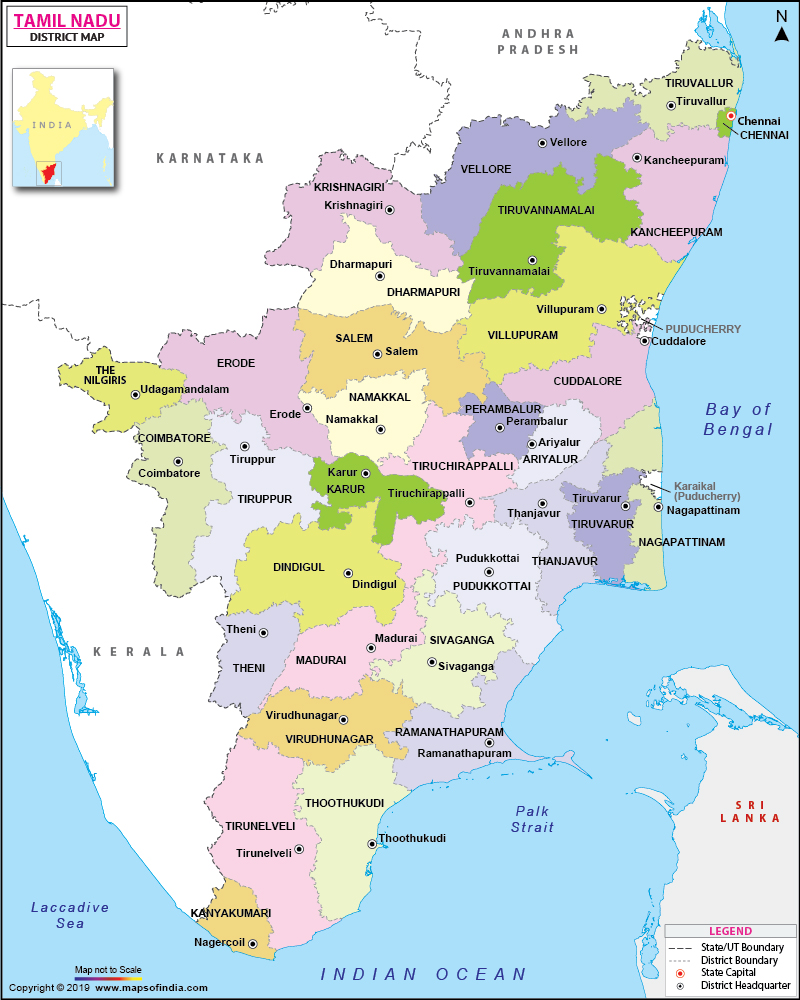
Meanwhile, Chola Kulottunga-3 invaded the Telugu Choda kingdom, (whose sway extended from Kanchi to Nellore), defeated the king Manumasiddha and installed his brothers, Tammu Siddha and Nallasidhha on the throne. Tikkabhupala, who was Manumasiddhi’s son appealed to Ganapati for help. He had also assisted Ganapati in the Velanati campaign. Hence Ganapati responded by marching to Nellore with a huge army. Nallasiddha and Tammusiddha fled, and Tikkabhupala was coronated. This campaign consolidated Ganapati’s sway till Kanchi in the Tamil country, as Tikkabhupala accepted his suzerainty.
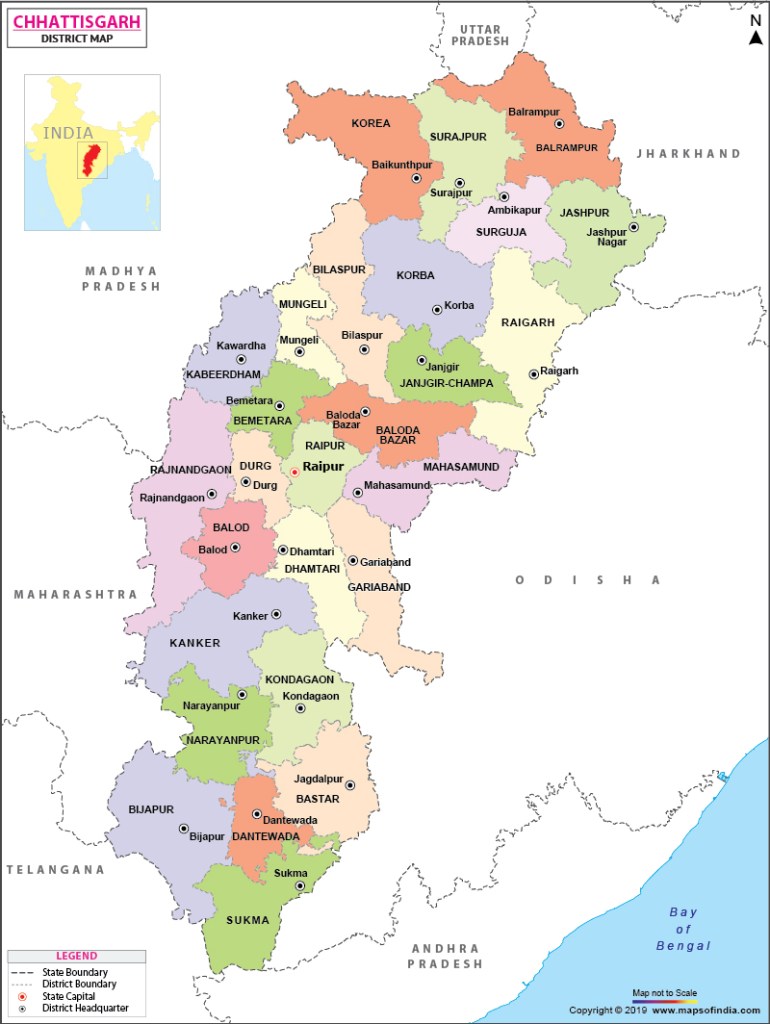
Another campaign was awaiting Ganapati, when the Kalinga king Ananga Bhima -3 invaded the Andhra territory taking advantage of Kakatiyas’ attention invested in the southern Andhra. They had come down till Daksharamam (East Godavari district). In response, the Kalinga expedition of Ganapati, crossed the Andhra lands and entered into Kalinga regions of Chakrakuta (Bastar, Chattisgarh), Udayagiri and Ganjam in present day Orissa. However they lost control over those regions after a while, because the local chieftains asserted independence. The campaign was more of a retaliatory response. However Kolanu (in the present day Eluru region) was conquered from the powerful Saronathas who ruled there. There was another attempt by the Kalinga country to invade Andhra in the final years of Ganapati’s reign, which was succesfully thwarted.

Ganapati’s reputation as the Lord of Andhra country (corresponding to the present day united Andhra Pradesh) was further strengthened by his second campaign to the South, where he once again captured Kanchi. This time Tikkabhupala’s son Manumasiddhi was in trouble. Vijayagandagopala, who belonged to the Telugu Pallavas ( ruled over the Tondaimandalam- northern Tamil Nadu and southern Andhra Pradesh) or (belonged to same Telugu Choda family and claimed to be the rightful heir as some sources suggest) got into conflict with Manumasiddhi, as they claimed authority over the same region. He was supported by Kulottunga Rajendra-3 and also the Pandyas and Hoysalas; maybe in response to Ganapati’s streak of victories and display of might. Adding on to the woes of Manumasiddhi, Padiharis Bayanna and Tikkanna drove him out of his capital in Nellore and Vaidumba Rakkasa Ganga, gained control over the Kadapa region by defeating the Kayastha, Gangaya Sahini (commander of Manumasiddhi’s forces).
Padiharis ( derived from the Sanskrit word Pratiharis, meaning door keepers) might have been important military officers of his kingdom. The Vaidumbas, who claimed to belong to the lineage of Western Gangas ruled over parts of Northern Arcot, Kadapa and Nellore district. Their presence as local chieftains is known from the times of Rashtrakutas.
Tikkanna Somayaji, the famous Telugu poet known for his translation of Mahabharata into Telugu, was sent to Ganapati’s court by Manumasiddhi.
Ganapati sent his commader Samantha Bhoja to re-establish control over Nellore. Pratiharis Bayanna and Tikkanna were defeated and Kulottunga Rajendra Chola was captured in the Tamil country. In a battle against the combined army of Hoysalas, Pandyas and Vijayagandagopala in Palaiyur (present day Nagapattinam), Ganapati’s commander Samantha Bhoja led the Kakatiya army to victory.
Such was the reign, of one of the most succesful and capable statesman of that era. Starting from disastrous hostilities with the Yadavas of Devagiri, to carving out an empire as huge as the present day united Andhra Pradesh, Ganapati’s achievements were indeed commendable. All he had when he ascended the throne, was an empire as big as the present day Telengana, which was consolidated due to years of effort by his uncle and grandfather. Ganapati went on to extend his sway over the coast ruled by a plenty of small, yet formidable chieftains and make a powerful statement about the ‘Kakatiya Might’ by entering into the Tamil lands and challenging their authority twice, not to forget the Kalinga expedition which may not have had territorial gains, but did give a fitting reply to the intruders.
However towards the end of his reign, the Kakatiyas had to finally face defeat. The reins of the Pandyan Empire came under ‘The Mighty’ Jatavarman Sundara Pandya whose achievements have been mentioned in the previous articles.
Vijayagandagopala who was defeated by Kakatiyas, still managed to rule Kanchi even after his defeat; and by about 1257 AD, Jatavarman attacked him and his ally Kulottunga Rajendra Chola-3. When the Pandyan army first invaded Vijayagandagopala, he and his another ally Kadava Kopperunjinga surrendered and promised to assist the Pandyans, in their expedition to Nellore.
Kadava Kopperunjinga belonged to the Kadava dynasty, who were related to the Pallavas and ruled in the present day Cuddalore region.
Manumasiddhi appealed to Ganapati and others for help. Meanwhile Kopperunjinga went across the Telugu country, perhaps to establish contact with the Kalingas. He was stopped by Ganapati who defeated him, and even honoured him with a title; maybe an indication to the enemy about their broken alliance. However, Nellore was captured and Manumasiddhi was killed in a battle at Muttukuru in the year 1263 AD (Nellore or Kadapa district).
(It has to be noted that Manumasidhhi was also called Vira Gandagopala or Gandagopala and should not be confused with his Telugu Pallava counterpart Vijayagandagopala’s son or brother Vira Gandagopala. The identity of Manumasiddhi (2 or 3), Vijayagandagopala, Viragandagopala is highly contested among scholars. The event above should be understood broadly. The readers can refer to the articles and books referred, to understand this identity crisis)
This defeat, during the final years of his reign, which lasted for about sixty years cannot overshadow his achievements as a ruler. When studied and evaluated in a broad perspective, noting the political environment in Deccan as a whole, and the various local powers which existed in the Andhra country alone, his commitment and capability deserves credit.
This was a significant feature of this period. Rulers like Jatavarman Sundara Pandya, Ganapati did expand their empires and maintain stability, but it didn’t last for generations. After the defeat in Nellore, Kakatiyas lost much of their territories under Rudramma; so did the Pandyas under Jatavarman Sundara Pandya’s grandsons who fought for the throne. The Hoysalas who flourished during the reign of Vishnuvardhana (also evident in the richness of the achitecture in Belur and Halebidu during this period), lost major portions of the territories to Yadavas during the reign of Ballala-2, and his grandson Someshwara was even killed by Jatavarman Sundara Pandya, leaving the Hoysala sway only in the Mysore plateau. The Yadavas’ hostilities with Kakatiyas and Hoysalas have already been mentioned and they also became the first victims of Muslim incursions.
This period, marked with power struggles maybe, due to rise of warrior clans under the predecessors and tank building practices (which ensured the thriving of capital cities in less rainfall, arid, upland regions of Deccan), had no stable rule of empires for long periods of time ,over huge territories like it previously did. So rulers like Ganapati, Jatavarman Sundara Pandya, Yadava Singhana, Billama, Hoysala Vishnuvardhana, Ballala-2 must be duly regarded for their efforts to establish their empires, despite the many power centres which included local chiefs.
Ganapati declared his daughter Rudramma as the heir apparent, during the last years of his reign. Rudramma is one of the most celebrated women icons in Indian history along with Rani Lakshmibai, Rani Chenamma and many others.
REFERENCES
- A., N. S. (2009). The Age of the Four Kingdoms. In The illustrated history of South India: From prehistoric times to the fall of Vijayanagar (pp. 192-205). New Delhi, New Delhi: Oxford University Press.
- Stein, B. (1989). Vijayanagara. Cambridge, New Delhi: Cambridge University Press.
- Devi, Y. (1995). The history of Andhra country: 1000 AD – 1500 AD. New Delhi: Gyan Publ. House.
- Kumari, M. K. (1990). Social and cultural life in medieval Andhra. New Delhi: Discovery Publ. House.
- Kunte, B. (1969). Maharashtra State gazetteers. Bombay: Directorate of Government Printing.
- Nair, S. N. (2013). Sri Venkateswara: Lord Balaji and his holy abode of Tirupathi. Ahmedabad, Gujarat: Jaico Pub. House.
- Sastry, P. (1975). The Kakatiyas and their times (Unpublished master’s thesis). Karnatak University, Dharwad. Retrieved July 3, 2020, from https://shodhganga.inflibnet.ac.in/handle/10603/107882
- Kanakadurga, P. S. (1985). Kakati Ganapatideva and his times (Unpublished master’s thesis). Acharya Nagarjuna University, Guntur. doi:https://shodhganga.inflibnet.ac.in/handle/10603/124164
- Chetty, K. R. (1984). A History of the Telugu Cholas in Southern Andhra (Unpublished master’s thesis). Karnatak University, Dharwad. doi:https://shodhganga.inflibnet.ac.in/handle/10603/94000
- Babu, M. B. (2007). Material background to the Vijayanagara Empire A study with special reference to Southern Andhradesa from A D 1300 to 1500 (Unpublished master’s thesis). Acharya Nagarjuna University, Guntur. Retrieved July 3, 2020, from https://shodhganga.inflibnet.ac.in/handle/10603/126657.
- Venkateteswarlu, K. (2002). History and culture of western Andhra Pradesh 900 A D to 1323 A D (Unpublished master’s thesis). Sri Krishnadevaraya University, Anatapur. Retrieved July 3, 2020, from https://shodhganga.inflibnet.ac.in/handle/10603/64424.
- District map of Odisha [Map]. (n.d.). In Www.mapsofindia.com. Retrieved from https://www.mapsofindia.com/maps/orissa/orissa.htm
- Andhra Pradesh Map [Map]. (n.d.). In Www.emaps.world.com. Retrieved from https://emapsworld.com/andhra-pradesh-map.html
- Chattisgarh district map [Map]. (n.d.). In Www.mapsofindia.com. Retrieved from https://www.mapsofindia.com/maps/chhattisgarh/chhattisgarh.htm
- Tamil Nadu District Map [Map]. (n.d.). In Www.mapsofindia.com. Retrieved from https://www.mapsofindia.com/maps/tamilnadu/tamilnadu-district.htm
16. Picture shared by @ksanskrithi
 Anuroop Tantry